Agricultural Insect Barcode Initiative
- Decoding Insect Biodiversity, Securing Our Harvest.
a curated DNA barcode database and analysis platform for agricultural insect biodiversity
Home
Workbench
Search
BLAST
OTU Analysis
Data visualization
Alpha Diversity Plot
Tools
Compare
Phylogenetic tree
Download
Database
Grassland
Browse
Taxonomy
Geographical distribution
Phylogenetic Tree
Soybean
Browse
Taxonomy
Geographical distribution
Phylogenetic Tree
Citrus
Browse
Taxonomy
Geographical distribution
Phylogenetic Tree
Potato
Browse
Taxonomy
Geographical distribution
Phylogenetic Tree
Maize
Browse
Taxonomy
Geographical distribution
Phylogenetic Tree
User Public Database
About
About US
Contact US
News
International collaborators
Welcome To Agricultural Insect Barcode database

Phylum :
1
Class :
2
Order :
20
Family :
241
Genus :
1421
Species :
6435
Introduction of Different Farmland Systems
Grassland
The Foundation of Ecological Resilience and Services
Introduction :
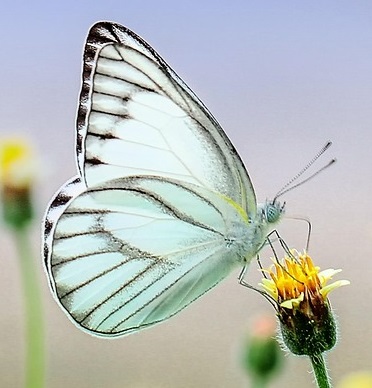
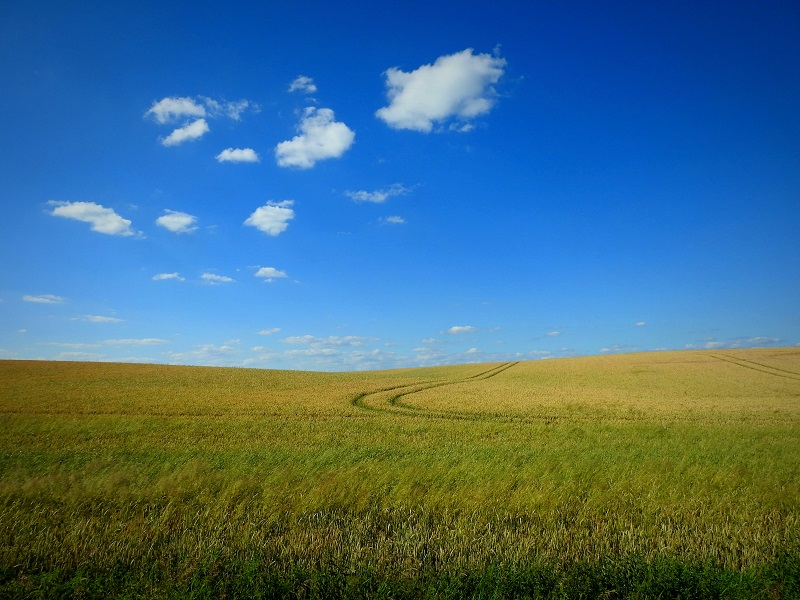
Grassland ecosystems maintain a profound reservoir of insect diversity, fundamental to ecological stability. This community is dominated by a wide array of grasshoppers, plant-hoppers, and herbivorous beetles, which in turn support a rich assemblage of predators, parasitoids, and vital pollinators. The insects in grasslands not only contribute to nutrient cycling but also provide essential pollination services to adjacent agricultural fields, highlighting their indispensable role in sustaining broader agricultural landscapes.
Species :
1,766
Sequences :
686,523
Soybean
A Microcosm of Trophic Interactions
Introduction :
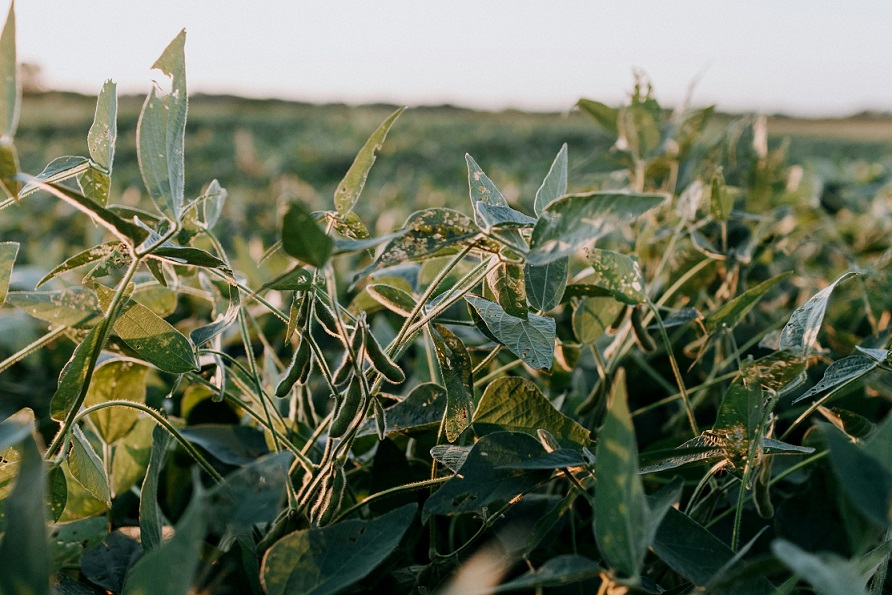
As a vital leguminous crop, soybean's insect diversity is characterized by dynamic trophic levels. It hosts a variety of defoliating beetles, stink bugs, and mites, yet simultaneously provides critical resources for pollinators and predatory insects. The rich insect fauna in soybean ecosystems, encompassing pests, pollinators, and predators, offers a perfect model for studying tri-trophic interactions and implementing biological control, directly influencing final seed quality and yield.
Species :
732
Sequences :
5,995,658
Citrus
A Perennial Haven for Specialized Insect Communities
Introduction :
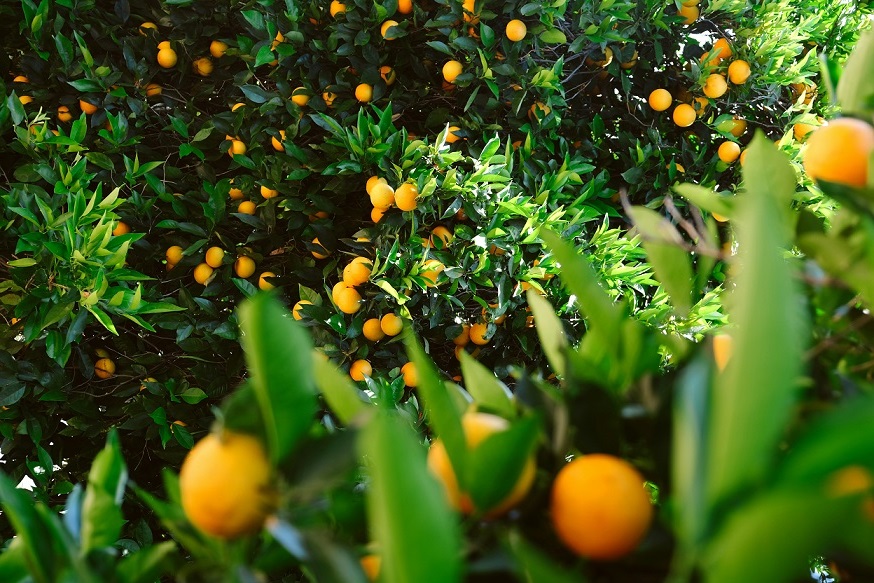
Citrus orchards, as perennial evergreen ecosystems, support a stable and highly specialized insect community. This system is home to notorious pests such as the Asian citrus psyllid (Diaphorina citri), a vector of the devastating Huanglongbing (Citrus Greening) disease, alongside various leafminers and scale insects. The intricate and delicate balance between these pests and their natural enemies in this long-term habitat underscores the necessity of conservation biological control for sustainable orchard management.
Species :
1,440
Sequences :
1,515,627
Potato
An Ecosystem of Above and Below Ground Challenges
Introduction :
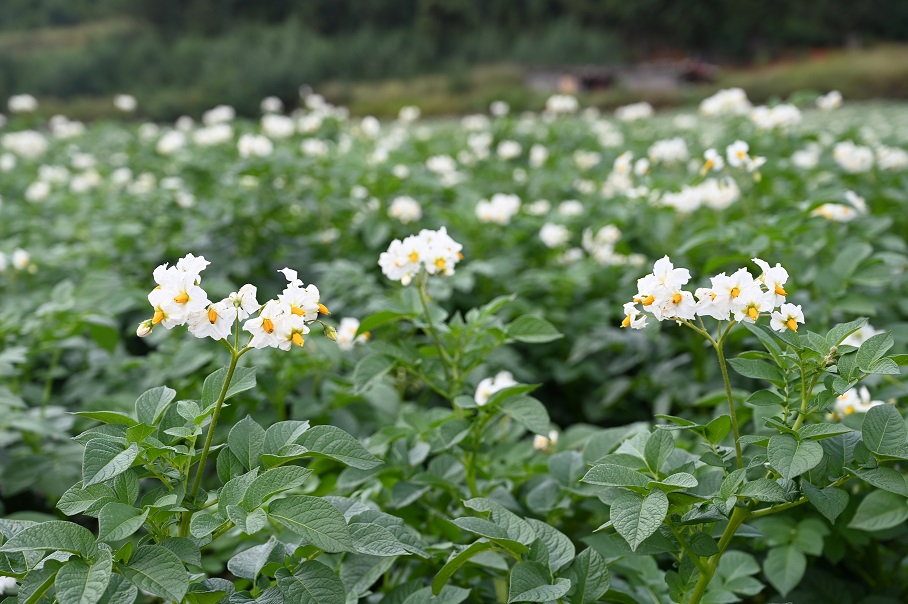
The potato ecosystem presents a unique duality of insect biodiversity, with significant threats occurring both above and below ground. Foliage feeders like the Colorado potato beetle (Leptinotarsa decemlineata) and aphids—which also act as virus vectors—are key concerns. Belowground, larvae of clickworms and other soil-dwelling insects target tubers. Understanding this full-spectrum biodiversity is critical for developing targeted protection strategies for one of the world's most important food security crops.
Species :
1,714
Sequences :
63,330,672
Maize
A Landscape of Pest Pressure and Natural Defense
Introduction :
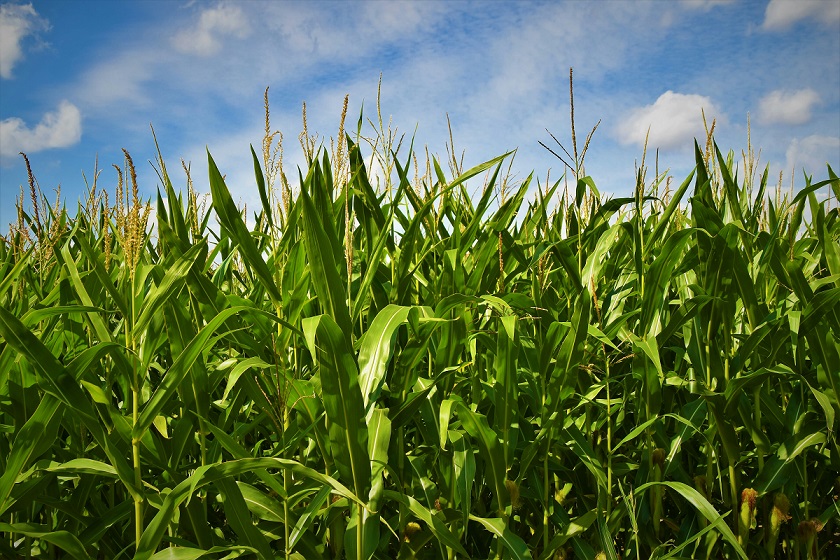
Maize fields support a complex insect community pivotal to crop health and yield. While this system attracts major Lepidopteran pests like the Asian Corn Borer (Ostrinia furnacalis) and sap-feeding aphids, it also sustains a diverse guild of natural enemies, including lady beetles, lacewings, and parasitic wasps. This intricate balance between pests and beneficial insects forms the core of integrated pest management strategies, making biodiversity monitoring essential for sustainable maize production.
Species :
783
Sequences :
5,922,795
Sampling Locations of Different Farmland Systems

TOOLS
Available Tools
OTU Analysis
Blast
Compare
Phylogenetic tree
Genewise
Colinearity
Visit
Global Visit